

A Minnesota university is allowing Baby Boomers to attend classes on the cheap, and people are calling it hypocritical.
For many young people, college is touted as the obvious next step after graduating high school to pursue a successful career. ONE A significant proportion of jobs require a four-year university degreeand college graduates tend to have higher incomes, greater job security, and better benefits than workers without a bachelor’s degree.
For most students, college is primarily a vehicle for career advancement rather than an opportunity to learn solely for the sake of learning. Why else would millions of students go into debt to participate?
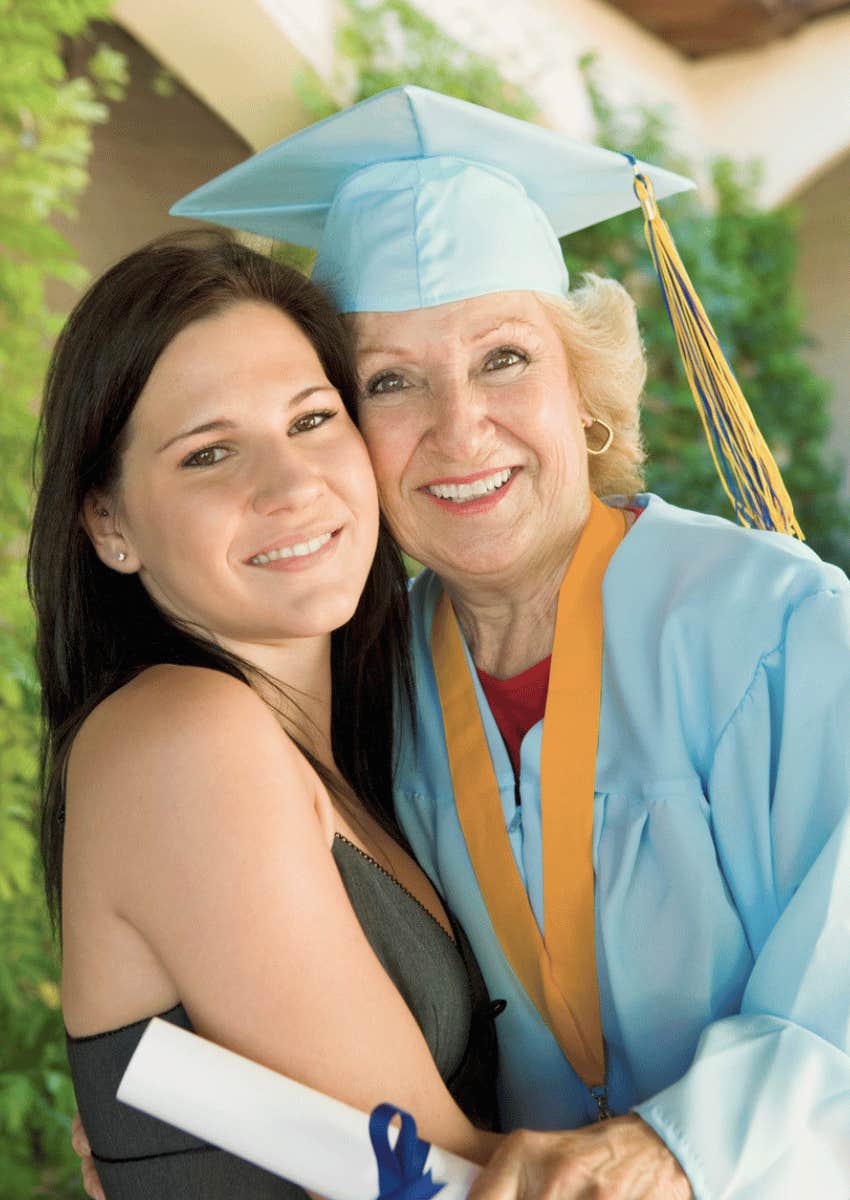
The University of Minnesota’s Senior Citizen Education Program lets Boomers take college classes for $10 per credit
 IPGGutenbergUKLtd / iStock
According to the University of Minnesota website, the elderly education program is part of a statute that applies to all public high schools in Minnesota. Citizens 62 or older (read: Baby Boomers) can enroll in courses for a reduced cost, whether or not they’ve already earned a degree.
At the University of Minnesota, that means seniors can take classes for just $10 per credit. This program gives older students a great opportunity to learn about any subject they might be interested in. They can find new hobbies, pick up a new craft, and make connections with other students on campus.
The program is undeniably positive for its beneficiaries and it is important to increase accessibility in education. What people have trouble with is that for most students, college is anything but accessible or affordable.
Rent members of the wealthiest generation in American history going to college at such a discounted rate while young students are forced to spend their entire lives paying off debt didn’t sit well with many users who heard about the program on social media.
“This is a slap in the face to everyone with student debt,” and “Cool, now do it for everyone” were popular sentiments. One person wrote: “If you can charge seniors $10 per credit, make it affordable for everyone, especially young people.” Another said: “Why aren’t credits being priced for the young people on whom our whole future, well-being, security and success depends? What are we thinking?”
“I will die before I pay off my student loans. Their college was cheap the first round and now they get it next to free again after destroying the economy and the environment,” was one X response to NBC’s post. Another said: “An entire generation has gone into a lifetime of debt because of policies and laws created by the Boomers, and now they’re having fun going back to college?”
“I honestly wouldn’t be opposed to this in principle – education is great! Except I paid, what, $150 a credit for the same school my parents went to for free to supposedly get a ‘good job’ and I’m just glad I didn’t spend the $1,200+ per credit so many of my peers went into debt for,” said another X reply.
Users pointed out that the same seniors who attended low-cost classes were often able to pay their college tuition on a part-time salary when they were young, a completely unattainable reality for modern students. “They got cheap college once, so what about another time?” and “They get next to free college twice. Super cool,” were two such posts.
College students are typically expected to pay thousands of dollars per semester, not to mention other costs that come with it
Annual tuition at the University of Minnesota is listed at $19,174 for in-state students and $43,332 for out-of-state students. From April the national student loan debt was $1.757 trillionwith nearly 44 million students in debt.
With increased tuition costs, rising loan interest ratesand stagnant wagesis it any wonder that a program offering affordable college for Boomers would backfire on social media.
Jessica Bracken is a writer living in Davis, California. She covers education and psychology for YourTango.






Leave a Reply