

Going to the grocery store can feel like a huge task for busy parents with wildly hectic schedules. Dragging your kids with you can make what should be a fairly simple task far more complicated, knowing you’ll likely have to deal with grabbing hands, unexpected outbursts, sibling arguments, and grocery carts hitting you on the back of both ankles.
As exhausting as it can be, your children are sure to learn critically important lessons as you deal with each and every one of these frustrating experiences. The times they sit inside the cart (or mindlessly wander off) are not a useless feat. Grocery stores are the best setting for kids to learn important skills that will help them down the line.
Kids whose parents take them to the grocery store teach them several brilliantly important life lessons
1. How to create a balanced diet
 Stock-Asso | Shutterstock
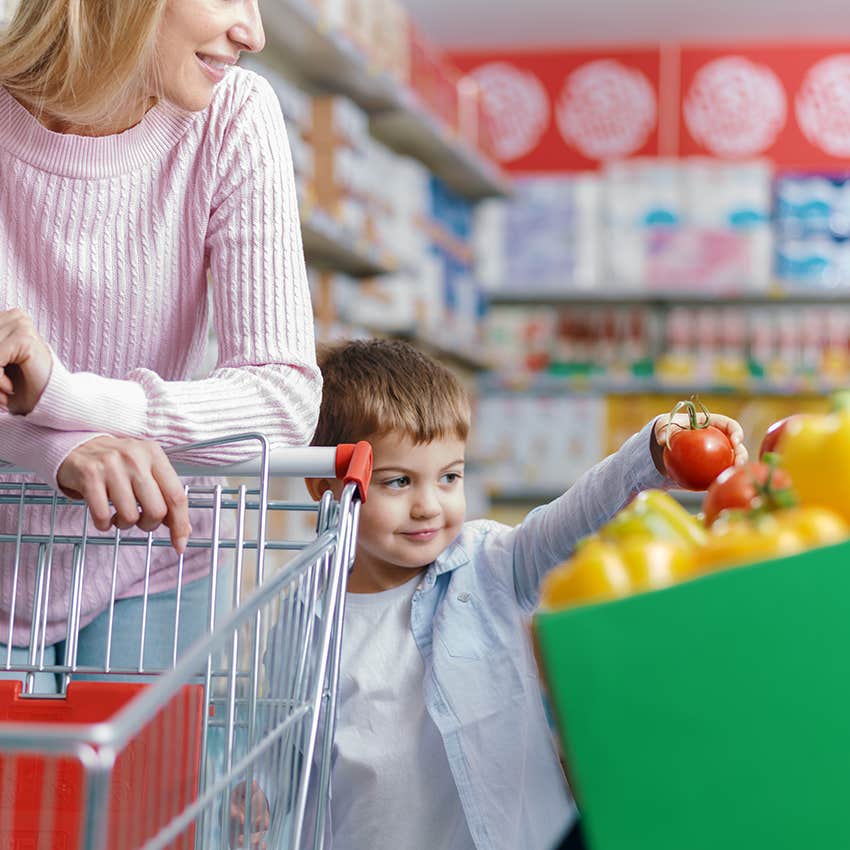
Sometimes when we go to the grocery store, especially when we’re hungry, our eyes are bigger than our stomachs. It’s tempting to grab cookies and ice cream because they taste good and we’re immediately drawn to them.
When you take your kids to the grocery store, they learn that there are plenty of tasty options to choose from and that it’s important to fill your fridge with healthier types of food than just dessert items. Schools are now re-teaching children Healthy dinner platewhich includes protein, whole grains, vegetables and fruit, and the grocery store is where you can show them the many choices available.
Teaching your children how to choose delicious foods that support their well-being will lead to fewer health problems. Implementing strong eating habits from an early age allows children to take an interest in their vegetables instead of pushing the broccoli to the edge of the plate.
2. How to manage your time
Often, when we go to the grocery store, we want to get in and out quickly. When there is a child in tow, this becomes a difficult task. Everything is new to them and there are lots of colorful products to distract them.
Set a goal for how much time you want to spend in the store before you go out is a great way to learn time management skills while playing a fun game. How can you get the things you need in under the allotted time? This also promotes mindfulness about the rest of the day’s schedule and can be a good moment to practice time reading. Some grocery stores still have analog clocks on the wall, so it can be a teachable moment for curious kids who haven’t learned how to read them at school, as children used to.
3. How to plan ahead
 Seventy Four | Shutterstock
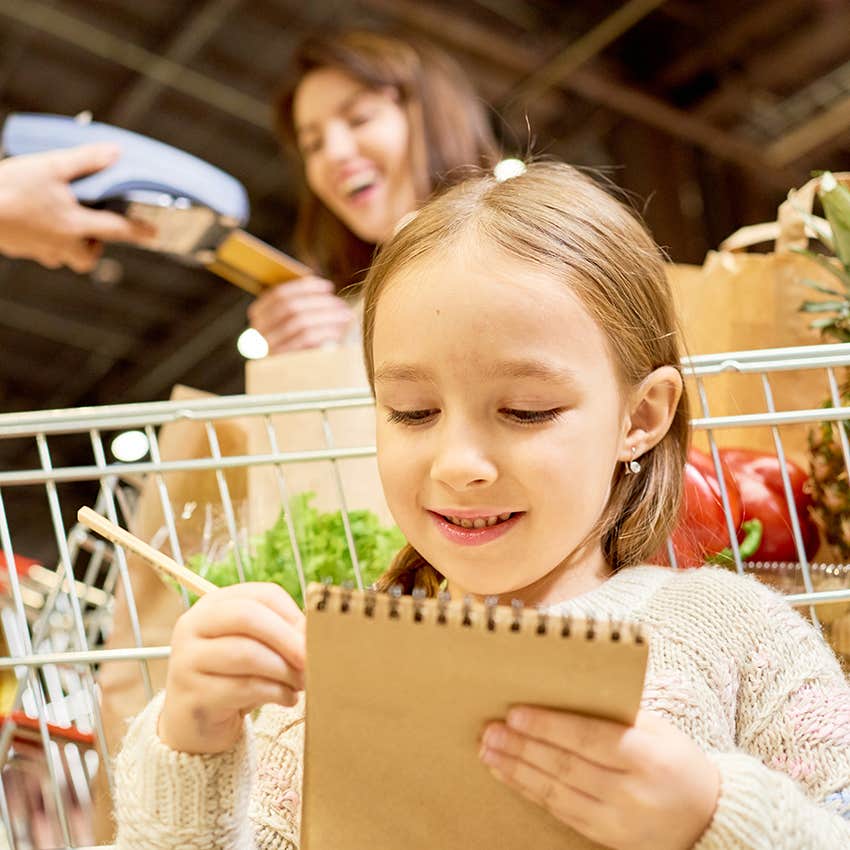
Before you even set foot in the store, it is best to make a shopping list so that you can sort your groceries on paper. Making that list with your child can be a great way to teach them to communicate their needs. This can carry over to other times when they may be searching for something but unable to get the words out.
Practicing healthy communication in controlled settings helps them become comfortable recognizing what they want. It can also be a learning moment when you refer back to the paper. Searching for items on the list and then locating them throughout the store will feel like a treasure hunt and will teach you to read signs and recognize familiar products.
4. How to keep a budget
Money management is just one of the many things that stress us on a daily basis. When you have children, you have to pay extra attention to what comes out of your bank account and for what reason.
At the grocery store, things get especially expensive, so setting a rough budget can help sort out wants versus needs. Go over this with your child will help them recognize when something might be too expensive and how to prioritize the more expensive but necessary items over sweets.
This can also lead to a funny moment when there is little room left in the shopping trip; you stayed under budget, so now you have some money left to spend. Your children can then select something that catches their attention, giving them freedom of choice. For the little ones, teaching budgeting can also be a good way to do it practice math skillslike basic arithmetic.
5. How to read labels and advertisements
 Yaoinlove | Shutterstock
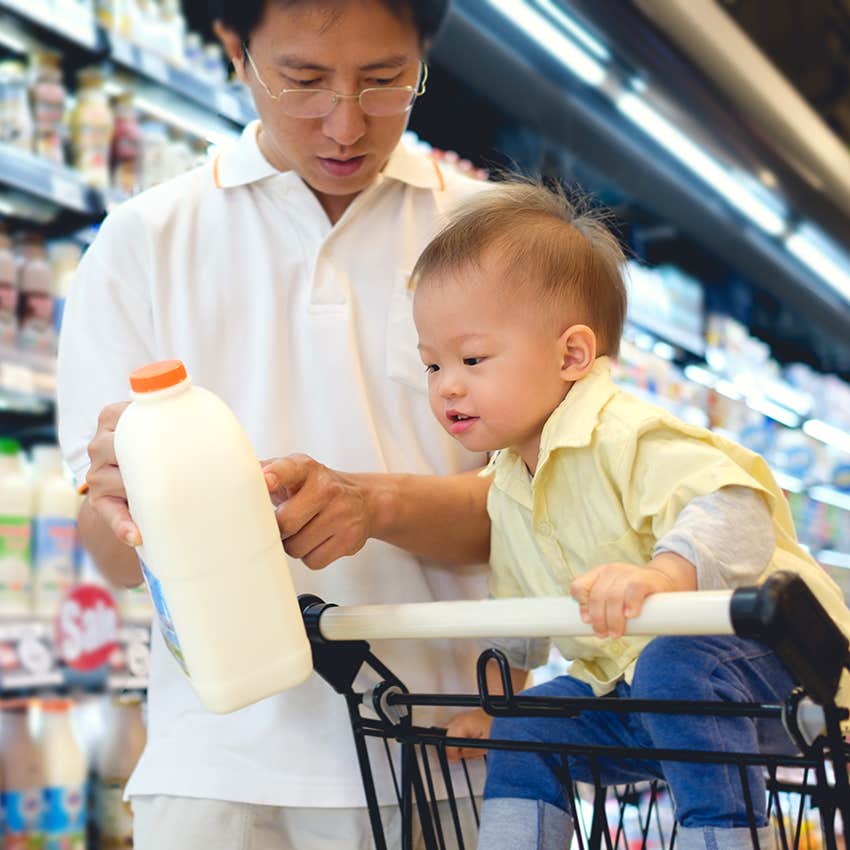
The grocer has lots of labels and signage that can quickly become overwhelming. For a professional shopper, it’s easy to spot great deals, but for a child, it can be difficult to understand what all the numbers and letters mean.
Teach your children how to calculate an agreement or notice that a similar product is cheaper than the other can be another opportunity to practice math. It is also important to teach your children about expiration dates, including where the sticker is located and how much time they have to eat the product.
Including your child in the selection process will give them a sense of choice, especially if it’s a food they eat, and help them become a more thoughtful shopper in the future. They will be able to recognize all the noise surrounding a product, focus on smart consumption and incorporate the lesson of time management.
6. How to select solid ingredients that strengthen recipes
In addition to the important life lesson of reading recipes and figuring out what ingredients you need, children can also learn to choose the best products for said recipes when they come into contact with them.
In the produce section, you can point to fruits and vegetables that are ripe enough to use, so they can spot healthy products compared to underripe ones. Having a hands-on experience where children can physically touch the products and spot identifying characteristics can be a great developmental moment. It teaches them to get the most for their money and instills in them the importance of taste.
7. How to communicate politely with others
Manners are not yet a completely lost art, and one of the best ways to implement them from an early age is in the grocery store. There are many interaction points throughout, including the check-out line, asking where a product is, and even saying “excuse me” when you pass another customer. One of the best ways to learn manners is to lead by example. This will not only show them that they respect adults but also towards their peers.
Teaching children to be kind for others are never wasted. Raising a patient, communicative child will foster gentle adults who treat service workers and those around them with respect. Many adults today struggle to be aware of the impact of their words, so we want to raise a generation of compassionate souls.
8. How to be independent
 Nomad_Soul | Shutterstock
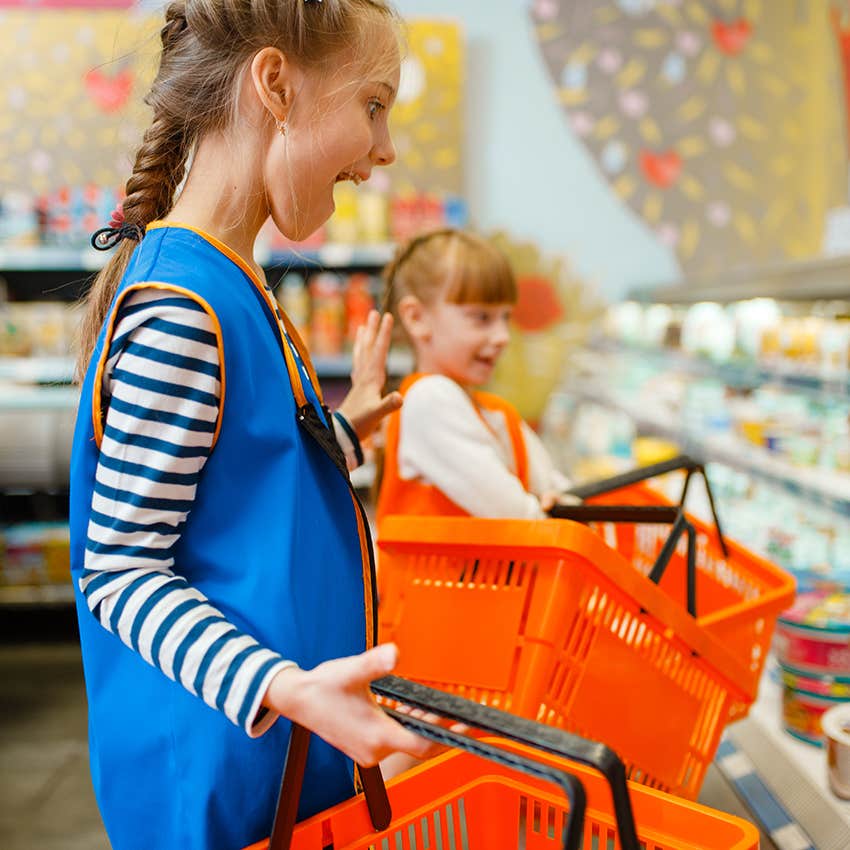
Being included in your shopping process makes them feel like big kids and promotes a more mature mindset. Children want to feel like they have a choice, and it fills them with a sense of pride when they are able to help you.
Instead of showing them what to do, walk them through instructions so they can learn by doing. This will teach them that they don’t always have to rely on you when they run into trouble. Instead, they can use their toolbox of skills to assess what they need to get things done.
Gabrielle Mattes is a writer working toward a Creative Writing degree. Her focus is on lifestyle, wellness, human interests and relationships.














Leave a Reply