
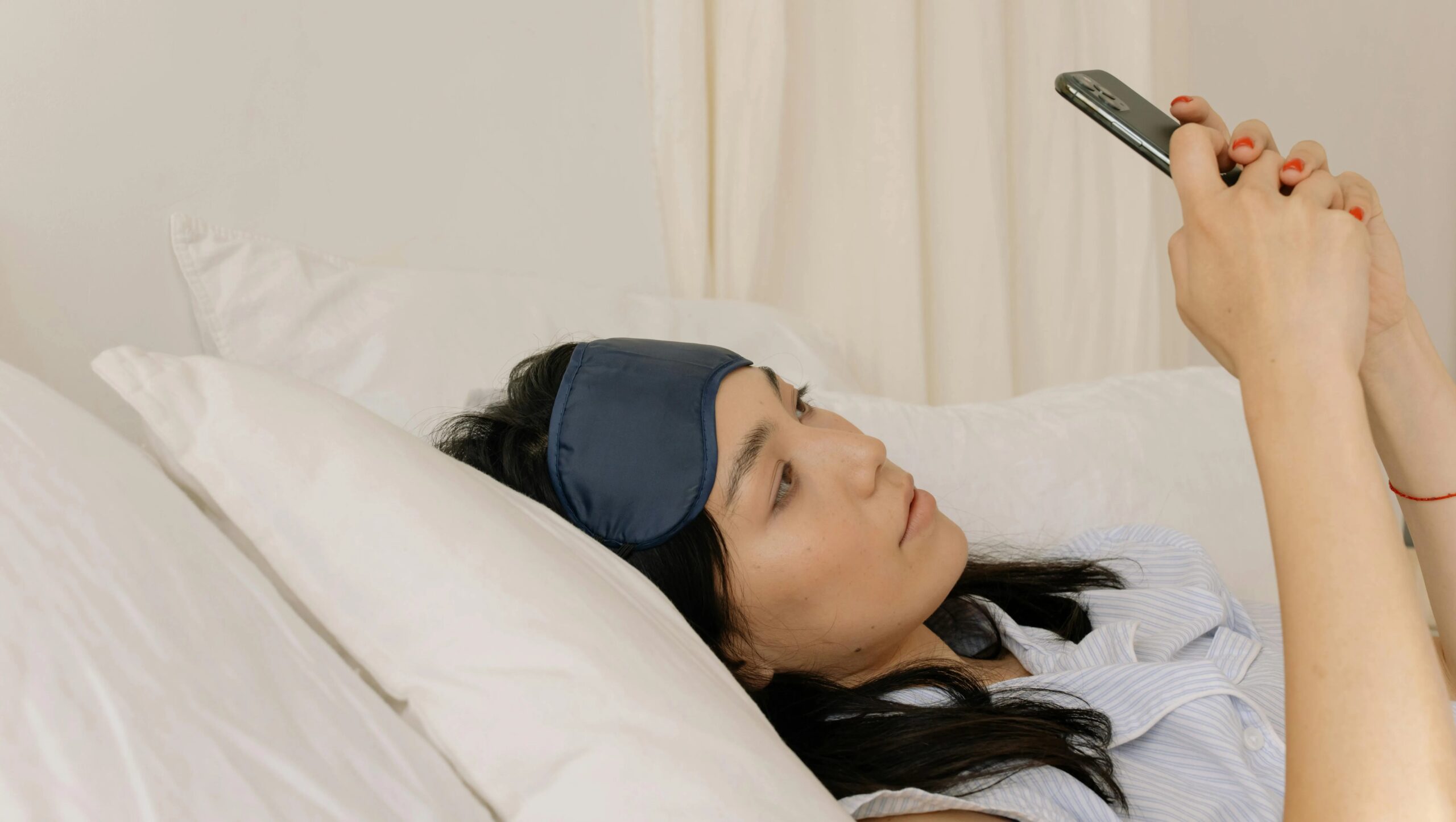

According to the Entertainment Software Association’s 2025 Essential Facts report, 205.1 million Americans play video games at least one hour per week, and 60% of American adults now play video games, with an average age of 36. For adults looking for easy ways to switch off, this helps explain why quick formats, including a social casinonow sits in the same everyday space as streaming, scrolling and podcasts. Games are no longer limited to long sessions or dedicated hobbyists. They’ve become one of those small, accessible habits that people turn to as the day draws to a close.
If you’ve ever opened your phone to play for a few minutes while dinner is cooking or with the TV running in the background, you already know the appeal. It’s convenient, uncluttered, and available whenever you want it. That convenience largely explains why casual play has become part of the modern relaxation routine.
Small screen with a big exhale
One of the reasons why casual play fits so well into adult life is that it requires very little of you. There’s no long preparation, no need to block out an evening and no pressure to learn complicated systems before you can enjoy yourself. When the average American player is 36, convenience is clearly part of the story.
You can also see this in the behavior. According to CivicScience survey data published April 202465% of American adults say they play mobile games, and 45% say they do so at least once a week. These numbers don’t explain every reason why people play, but they do show consistency. For many adults, mobile gaming is part of a regular leisure pattern.
That pattern matches the way many evenings go in real life. You have maybe ten minutes before bed. You may spend half your time watching a series and half doing three other things. Maybe you just want a quick break that feels more active than scrolling. Casual games work because they accommodate fragmented downtime rather than against it.
The pocket-sized pause button
Mobile access made that habit easier to maintain. Once games were on the same device you already use for messaging, streaming, shopping, and social feeds, they became much easier to integrate into regular life. When friction decreases, repetition usually follows.
Recent market data is behind this. In a March 2025 release summarizing the State of Mobile Gaming’s findings, Sensor Tower reported that in-app purchase revenue from mobile games increased 4% year-over-year in 2024, time spent increased 7.9% and sessions increased 12%. The sessions are particularly telling for this discussion. They suggest that people don’t just download games and forget about them. They open them often, in short bursts, as part of routine digital behavior.
That habit also starts early. Pew Research Center found in 2024 that 70% of American teens play video games on a smartphone. Although adults are the focus here, the finding helps explain the broader culture around games. Playing on the phone now feels normal, familiar and built into daily screen habits.
For players, this means that casual games provide a useful middle ground. They are more interactive than passive scrolling. They require less commitment than a film, a series or a long console session. They also fit well into short breaks, background moments and end-of-day routines. That’s where a lot of adult leisure activities take place now.
A small elevator is no wonder
Another reason why casual play is here to stay is simple: for many people, it feels good right now. It can act as a little mental reset, taking your attention elsewhere for a while. That distinction is worth keeping in mind. The strongest point here is that short sessions can be enjoyable, engaging and restorative for some players.
A peer-reviewed study published in 2021 and indexed by the US National Library of Medicine carefully examined this question. Researchers found that after a 20-minute session of a casual video game, participants showed reduced psychological and physiological stress compared to their own baseline measures before the intervention. The sample was limited to students and one specific game, so the result should not be stretched too far. Still, it supports a modest point: short, accessible play can provide a meaningful breather.
Broader motivation data points in a similar direction. In ESA’s Power of Play 2025 report, 58% of players said stress reduction or relaxation was one of the main reasons for playing. That report is based on broader, and not just US, data, so works best as supporting context rather than as a national claim. Yet it fits in with the role that casual play often plays in daily routines.
That’s perhaps the clearest way to look at casual play. It works as one of many ways to relax. A series fits in one evening. On another, music does the work. Sometimes a few minutes of playing are enough to take the edge off the day.
The new form of downtime
Taken together, regular adult adoption, frequent mobile sessions, and measured research on short-term stress reduction point in the same direction. Casual play suits everyday life because it’s easy to start, easy to return to, and easy to enjoy in small pockets.
If your free time arrives in fragments, the activities that stick with you tend to be those that fit real routines. Casual play does that well. For those of us who want something light, flexible and available on demand, it has earned a clear place in the mix.















Leave a Reply